On Not Giving Up
Written By Kelly Murphy

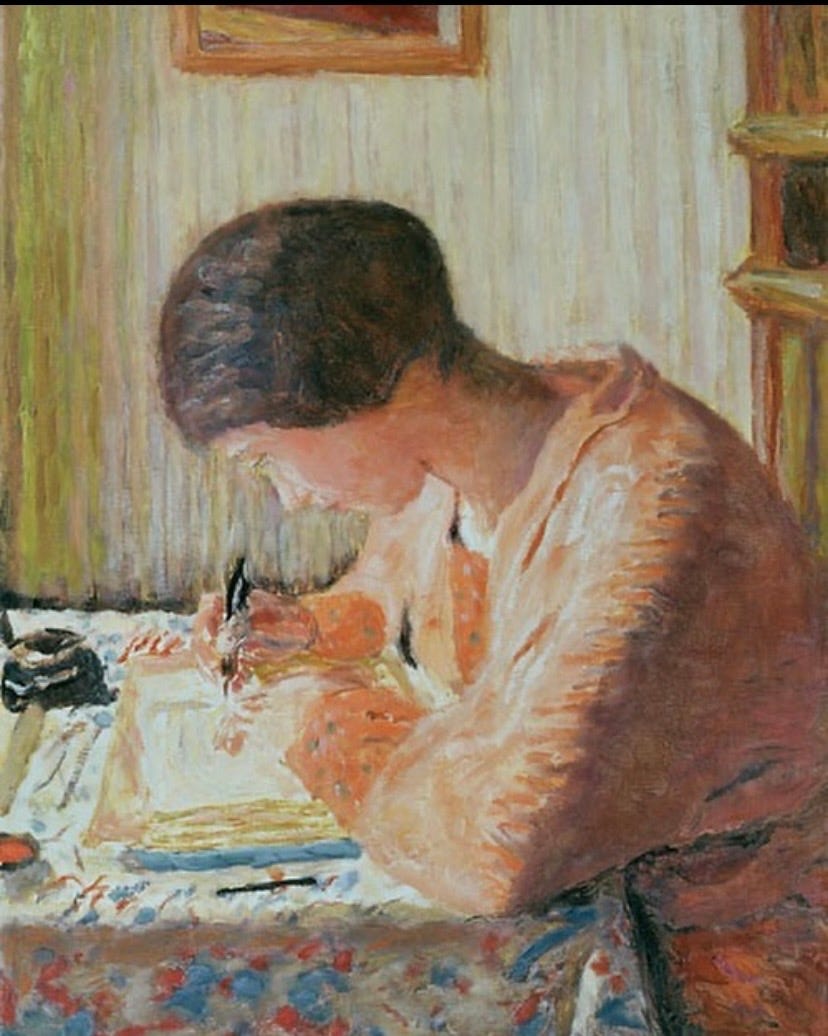
When I was in my twenties I was in a writing group. It was a bunch of young people, mostly women, who carried Strand-purchased books in chic New Yorker tote bags and who all at one time or another tried to live on salted almonds and ice-cold Coca-Cola because they had read that was Joan Didion’s diet when she was writing her masterful essay collections. In other words, we were all very earnest and a little ridiculous and very vulnerable.
There was a girl in a writing group whom I admired a great deal. On a superficial level, she was extremely tall and as someone who stretches the truth when she tells people she is 5 feet 2, I have a bone-deep and inexpressible love for the long-limbed women in the world. They awe me. On a serious intellectual level, she was a fantastic writer, original and hilarious and capable of greatly moving personal writing that belonged in the women’s magazines that still existed in print back then. She was cool as hell and kind but blunt in the way that only the truly talented and self-respecting among us can sometimes be. So when she came up to me after a meeting one day after I had read a personal essay that I’d written, I was extremely excited and anxious, hoping desperately for approval like an influencer waiting for a brand deal to make her feel legitimate. She began by chatting pleasantly with me about this and that, and then she looked me directly in the eyes (I told you she was blunt) and simply said, “Kelly, if I were a teacher and could grade what you wrote, it would be a C minus. But I also think that you could get better over time. There is something there.” She smiled a smile of singular sweetness after stating this, which is how I know it was not malicious but sincerely offered advice. But did it feel that way at the time, dear Substack reader? In fact, it did fucking not.
I was devastated by this person’s response. Of course I was. I was a young woman emerging from a difficult childhood into a turbulent young adulthood. I was about as capable of taking constructive criticism as I am of restraining myself today in front of a package of Trader Joe’s dark chocolate peanut butter cups. It was a lost cause to not take it as a blow to my painfully fragile sense of self.
I remember going home and crying for hours in my tiny studio apartment, berating myself for daring to think that I had any appreciable talent. I am not writing all of this to make you feel sorry for me. I am writing about the aftermath of this incident and how I was an example of how not to handle criticism in your life as a writer. I stopped writing for a long time after that day and ghosted the writing group entirely. I believed one person’s opinion of my writing was more important than my own pride in my work and that I did not deserve the release and the elation of creating something from my brain and my heart simply because I had received some negative feedback. I know that it was an extreme reaction. I also know I am not alone in reacting this way. It took me years to begin to approach writing again. Those are years that I can never get back, years that kept me from one of my great passions in life. And I am here to tell you, years later and on the other side of it, that my approach was a colossal mistake.
Too many writers allow the opinions of others, online and in real life, to stop them from creating. Writers are a sensitive bunch but there is a fine line between sensitivity and self-sabotage. You should never become so consumed in feedback loops from others that you do not allow yourself the time and patience to grow and change and improve as an artist.
I can confidently state now that I’m not necessarily a great writer but I LOVE writing. I will do it until the day I no longer can. It has helped me survive and it keeps me connected to others. I know I am a better writer than I was then but I also know I never should have given up on myself when I was still in the process of becoming. And guess what? A few weeks ago, that same girl told a mutual friend of ours whom she still sometimes speaks to that she had somehow read one of my recent Substack essays on David Foster Wallace and loved it. She told her to tell me that she felt this way. And after my friend relayed this to me, I smiled and said, “Tell her thank you and that I agree with her.”
Excellent work, Kelly. My situation was similar to what happened to Rory Gilmore when she was told by newspaper publisher/Logan’s dad that she didn’t have “it.” Took me years to rebound.
Thank you for this wonderful essay. And I am your 50th like on it! Yay! Although I can completely understand why a comment from somebody that you liked and admired would hurt more than a comment from a stranger. She certainly could’ve delivered the same feedback in a different way, like “ I really appreciated your piece and think you said some meaningful things in there. Looking forward to the next thing you write!” which acknowledges that there was something real in what you had written and that she expects you to grow as a writer. Truthful doesn’t have to be mean. And sometimes blunt is just another word for mean. I once told a friend that she should practice more because she wasn’t sounding as good as she used to. I knew this person extremely well and thought that I was doing the difficult job of being a real friend who was willing to say the true thing. I tell you, many years later, people are still astonished that I did something so mean. I regret it. It sounds like your person does too. 🩷